Sourcing a Woman Tshirt is a strategic decision for any clothing brand. It influences fit, comfort, durability, pricing, and customer trust. A carefully selected supplier can turn a simple cotton top into a reliable bestseller. The wrong supplier can create uneven sizing, loose seams, fading colors, and costly returns.
Fashion designer Giorgio Armani once said, “The difference between style and fashion is quality.” That principle matters when developing a Woman Tshirt collection. Quality begins before production. Brands should review fabric composition, stitching density, shrinkage results, colorfastness, and sample measurements. A supplier with documented production experience can also provide clearer timelines and more consistent bulk orders. Check the details.
A professional sourcing process should include factory communication, sample testing, and transparent quality checks. Certifications may support responsible material choices, but they should be verified rather than assumed. Ask where the cotton comes from. Ask how defects are handled. Ask whether the factory can repeat the same fit six months later.
The cheapest offer is not always the smartest one. It may hide weak fabric, rushed production, or poor after-sales support. Still, higher pricing does not guarantee excellence. That is an uncomfortable reality. Brands must compare evidence, not promises. Touch the fabric, wash the sample, measure it again, and inspect every seam. When sourcing decisions balance quality, ethics, production capacity, and customer expectations, a Woman Tshirt becomes more than basic apparel. It becomes a dependable part of the brand’s identity.
Understanding the Women’s T-Shirt Market for Clothing Brands
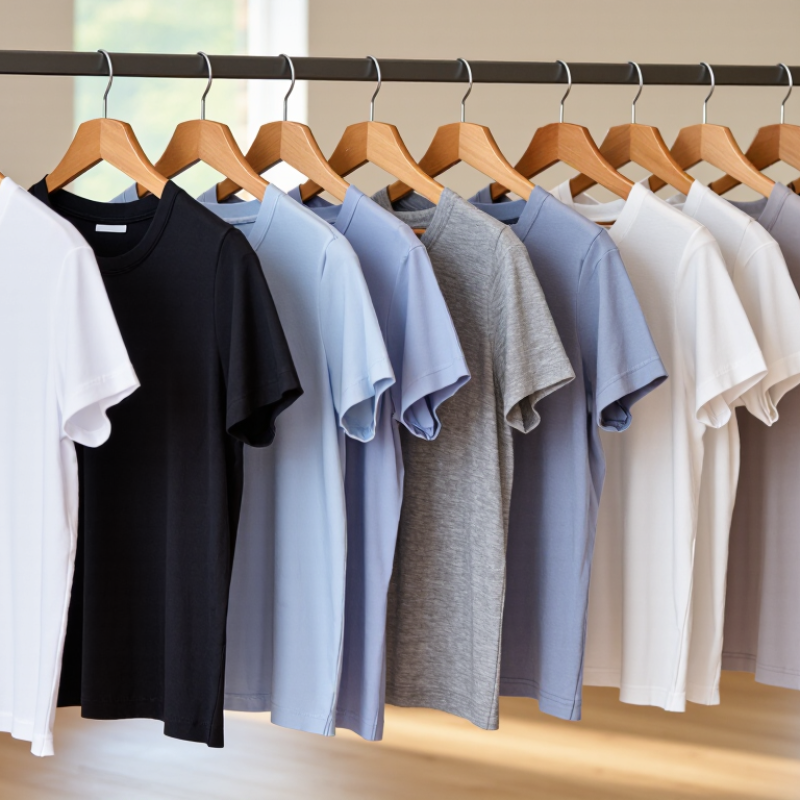
Women’s T-shirts remain a practical entry point for clothing brands. They combine frequent demand with flexible styling. Customers may wear one under a blazer, with denim, or at home. This versatility creates several buying occasions throughout the year. However, demand is not uniform. Fit, fabric weight, sleeve shape, and neckline preferences vary across markets. A supplier with sampling experience can help brands test these differences before placing larger orders.
Market research should begin with the customer, not the catalog. Review search data, retail feedback, and seasonal sales patterns. Pay attention to recurring complaints, such as twisting seams or transparent fabric. These details often reveal more than broad trend reports. For example, a 180-gram cotton blend may suit everyday wear, while a lighter fabric may work better in warmer regions. Small tests matter.
Fit remains difficult. Very difficult. A size chart alone cannot show shoulder comfort or fabric recovery. Request samples in several sizes and wash them repeatedly. Check shrinkage, color stability, stitching, and print durability. My experience suggests that suppliers who document these tests are easier to evaluate. Still, documentation is not proof of perfect production. Mistakes happen. Brands should confirm measurements and quality standards during pre-production, then inspect finished garments against approved samples. This approach supports dependable sourcing while leaving room to improve designs after real customer feedback.
Evaluating Fabrics, Fits, Sizes, and Design Options
Why Source Women’s T-Shirts for Your Clothing Brand?
Evaluating Fabrics, Fits, Sizes, and Design Options
When sourcing women’s T-shirts, begin with use, not trend. The 2024 Textile Exchange Materials Market Report estimates polyester represented about 57% of global fiber production. Cotton accounted for roughly 22%. Cotton offers familiar softness and breathability. Polyester can improve drying speed and shape retention. Blended fabrics may balance both, but they can complicate recycling claims. Ask suppliers for fiber composition, GSM, shrinkage, colorfastness, and pilling results. ISO 12945-2 testing can provide useful pilling evidence. GSM alone is not enough.
Fit is personal. A strong sample should follow shoulder width, bust ease, sleeve length, and body length. Use actual body measurements, not only generic size labels. Test the same pattern on several sizes and body shapes. The 2024 Cotton Incorporated Global Lifestyle Monitor identifies comfort as a major apparel priority for consumers. That supports softer seams, flexible neck ribbing, and practical ease. Our own early samples often looked attractive but pulled across the bust. That mistake was expensive and preventable.
Size grading needs careful review. Extend patterns consistently into larger sizes. Do not simply enlarge every measurement. Check armholes, side seams, and hem balance separately. Design choices also affect wearability. Crew necks feel familiar, while scoop necks create a lighter appearance. Curved hems can improve movement. Small details matter. Before bulk production, wash-test samples, inspect stitching, and compare colors under daylight. No fabric wins every test.
Comparing Women’s T-Shirt Suppliers and Production Methods
Choosing women’s T-shirts for a clothing brand requires more than comparing prices. Supplier capability, fabric quality, and production control affect every customer experience. I have found that factory-direct suppliers often provide clearer technical details and better sampling access. Trading suppliers may offer broader product choices, but production information can be less transparent. Ask about fabric weight, fiber composition, shrinkage, colorfastness, seam strength, and minimum order quantities. Fit matters. Women’s sizing can vary sharply across markets, so request graded samples before approving bulk production.
Production methods also shape cost, flexibility, and risk. Cut-and-sew manufacturing supports custom necklines, sleeve lengths, labels, and size grading. It usually suits brands developing a distinct fit. Larger batch production may reduce unit costs, yet it can leave unsold inventory if demand is uncertain. On-demand or smaller-batch production lowers stock pressure but may involve higher prices and slower replenishment. Neither method is automatically better. A thoughtful choice depends on sales forecasts, fabric availability, and tolerance for delays. My own process is not perfect; early assumptions about fit have sometimes required another sample round.
Tips: Compare at least three suppliers using the same specification sheet. Wash samples at home and measure them afterward. Check stitching around the shoulder and underarm areas. Request production timelines in writing. Ask whether fabric certificates and factory records can be verified. A supplier who answers clearly is usually easier to manage, though clear communication never replaces physical inspection. Keep a small pilot order before committing to larger quantities.
Assessing Quality, Pricing, Minimum Orders, and Lead Times
Why Source Women’s T-Shirts for Your Clothing Brand?
Assessing Quality, Pricing, Minimum Orders, and Lead Times
Women’s T-shirts reveal sourcing weaknesses quickly: twisted seams, uneven shrinkage, and loose collars. A reliable assessment starts with measurable quality. Check fabric weight, fiber content, colorfastness, seam density, and wash recovery. Do not trust a soft sample alone. Textile Exchange’s Materials Market Report 2024 records 124 million tonnes of global fiber production in 2023. It projects 160 million tonnes by 2030, making material selection increasingly important.
Pricing should include fabric, labor, trims, packaging, testing, freight, and applicable duties. A low quote may hide weaker fabric or costly revisions. McKinsey and Business of Fashion’s State of Fashion 2025 report expects low single-digit fashion growth, reflecting cautious consumer spending. That pressure makes accurate costing essential. Small workshops may accept 100–300 pieces per color, while larger production lines often request 500–1,000 pieces. Minimum orders are negotiable, but flexibility may increase unit prices.
Lead times need written milestones. Allow 7–14 days for sampling, 30–60 days for production, and additional time for inspections and shipping. These are practical benchmarks, not guarantees. Fabric shortages, approval delays, and rework can disrupt schedules. A common mistake is approving a sample without testing its post-wash measurements. The shirt looked right. The measurement sheet did not. A pre-production checklist, independent inspection, and realistic buffer create stronger sourcing decisions.
Building a Reliable Sourcing Strategy for Long-Term Brand Growth
Why Source Women’s T-Shirts for Your Clothing Brand?
Building a Reliable Sourcing Strategy for Long-Term Brand Growth
Sourcing women’s T-shirts is not only about finding a low unit price. It is about building a repeatable supply system. A dependable supplier should explain fabric composition, shrinkage, colorfastness, and production capacity clearly. Request samples before placing larger orders. Check the neckline, stitching, hand feel, and measurements after washing. Small details become customer complaints quickly.
A strong sourcing plan uses written specifications. Include fabric weight, size grading, acceptable tolerances, packaging, and delivery dates. Review factory experience with similar garments, but do not rely on claims alone. Ask for recent quality records and independent testing when suitable. Verify that working conditions and materials meet applicable local requirements. Keep communication documented, especially when changes affect fit or cost.
I have found that realistic lead times protect growing brands better than optimistic promises. A backup supplier can reduce disruption, though managing two sources may increase sampling work. That trade-off deserves honest review. Forecast demand with sales data, then leave room for seasonal changes. One mistake is ordering too many colors too early. Another is ignoring small defects because the deadline feels urgent. A measured inspection process, clear payment terms, and regular supplier reviews create room for sustainable growth.
Why Source Women’s T-Shirts for Your Clothing Brand?
Building a reliable sourcing strategy requires balancing product quality, lead time, minimum order quantities, and landed cost. The chart below presents practical apparel-sourcing planning benchmarks for a standard women’s T-shirt order cycle.
What This Means for Long-Term Brand Growth
A complete sourcing cycle can take approximately 101 days when supplier qualification, sampling, production, and international logistics are included. Establishing dependable suppliers, approving samples early, and planning freight capacity can reduce avoidable delays and support more consistent inventory availability.
Data basis: practical planning benchmarks commonly used in apparel sourcing; actual timelines vary by country, order quantity, fabric availability, production capacity, and shipping method.
FAQS
They fit many buying occasions throughout the year. Customers wear them under blazers, with denim, or at home. Demand is flexible, but not uniform.
Start with customer behavior, not supplier catalogs. Review search data, retail feedback, and seasonal sales. Recurring complaints often reveal useful product problems.
A 180-gram cotton blend may suit regular wear. Lighter fabrics can work better in warmer regions. This is only a starting point.
A chart cannot show shoulder comfort or fabric recovery. Request several sizes and wash them repeatedly. Check shrinkage, measurements, and twisting seams.
Inspect the neckline, stitching, hand feel, and sleeve shape. Check color stability after washing. Examine print durability and fabric transparency.
Include fabric composition, fabric weight, size grading, tolerances, packaging, and delivery dates. Clear details reduce costly misunderstandings. Some gaps will remain.
Request samples, recent quality records, and suitable independent testing. Ask about production capacity and similar garment experience. Claims alone are not proof.
Optimistic promises can create rushed inspections and missed delivery dates. Realistic schedules leave time for sampling, production, and quality checks. Deadlines still create pressure.
A backup source can reduce disruption during production problems. Managing two suppliers increases sampling and communication work. The trade-off needs honest review.
Forecast demand using sales data and seasonal patterns. Avoid ordering many colors too early. Small tests may expose weak demand before large production begins.
Conclusion
Sourcing a Woman Tshirt can help clothing brands create products that match customer preferences while maintaining consistent quality and market appeal. Understanding the women’s T-shirt market is the first step, including current demand for different fabrics, fits, sizes, colors, and design details. Brands should evaluate materials such as cotton blends, organic fibers, and performance fabrics according to comfort, durability, seasonality, and target positioning.
A reliable sourcing plan also requires comparing suppliers and production methods, from ready-made options to customized manufacturing. Important factors include fabric quality, stitching, printing or embroidery standards, pricing, minimum order quantities, sampling procedures, and lead times. By carefully assessing supplier capabilities, communication, quality control, and delivery performance, brands can reduce sourcing risks and maintain stable product availability. Building long-term supplier relationships supports better cooperation, consistent production, flexible product development, and sustainable growth in the competitive women’s apparel market.